The release UTV
What You Do to Me
Robin Cole
A music video treatment for UTV
What You Do to Me
Robin Cole
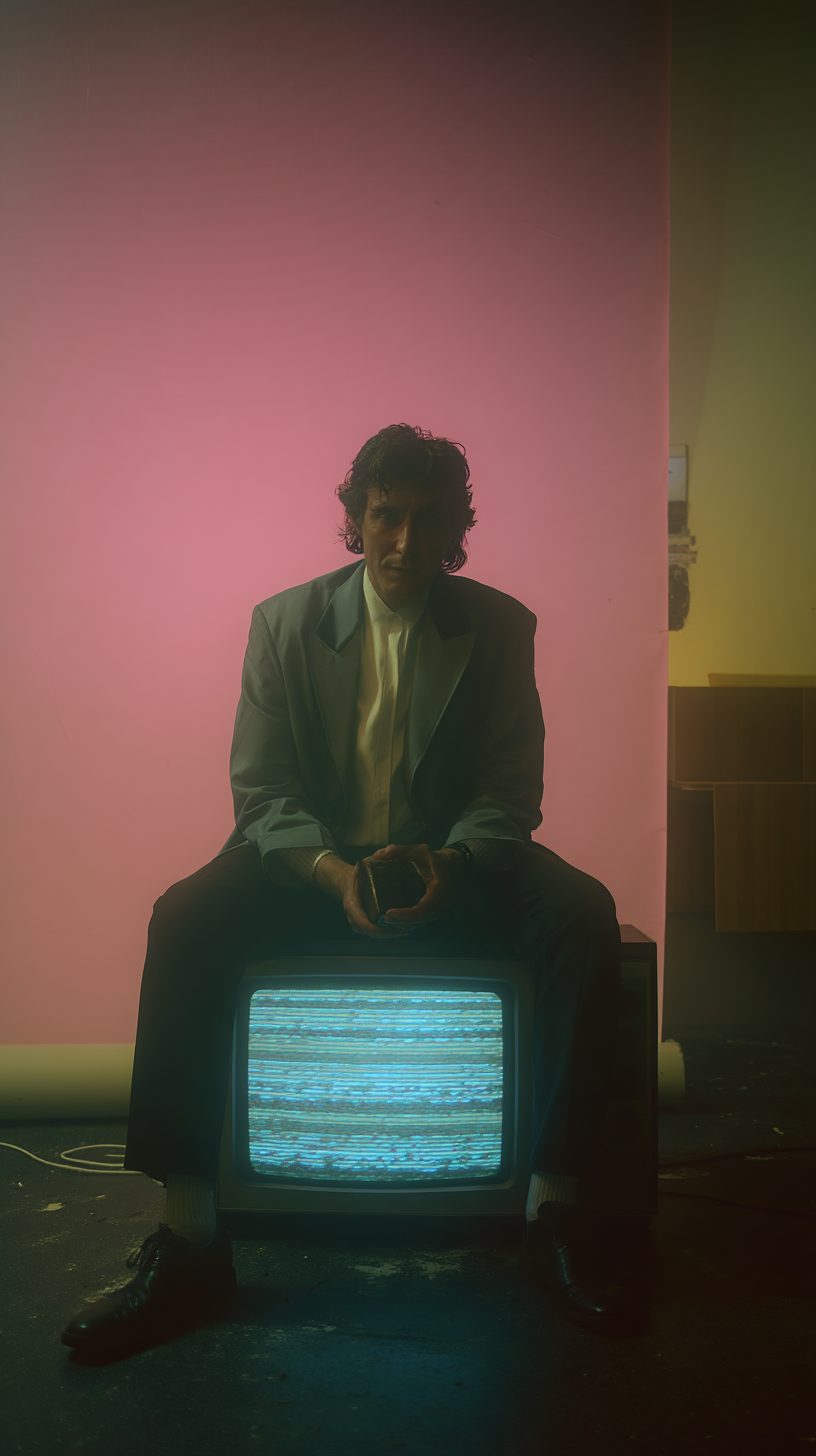
The idea
Robin Cole falls for a woman who runs hot and cold, and he can't quit her. The song is buoyant and danceable. The video takes its lyrics literally, the way "Sledgehammer" does: when she's cold, Robin freezes; when she's hot, his world catches fire.
Five non-linear vignettes carry him down a toy river, through a melting bust, across a desert, into a chapel and inside a pill. As he slides a jeweled pill onto her finger instead of a ring, we leave live action for a handmade world of giant capsules and miniature performers. Then the song ends, the amps go dead, and a nurse walks in. It's okay, she tells him. Come on in.
Did he imagine it all, or did she really do this to him?

Robin Cole
A British singer-songwriter who fronted the cult art-rock band Silent Parade in the 1970s, walked away around the turn of the decade, and disappeared. He came back solo, reshaped by the post-punk and new wave of London and New York. By Current of Love he's writing genuinely accessible pop without sanding off the weirdness.
This song belongs to that record, around 1985–86: dry mechanical drums, synth bass, atmospheric keys, and a narrator who moves forward without being sure where he's going.
- Voice
- Smoky baritone, conversational
- Formerly
- Frontman of Silent Parade
- Look
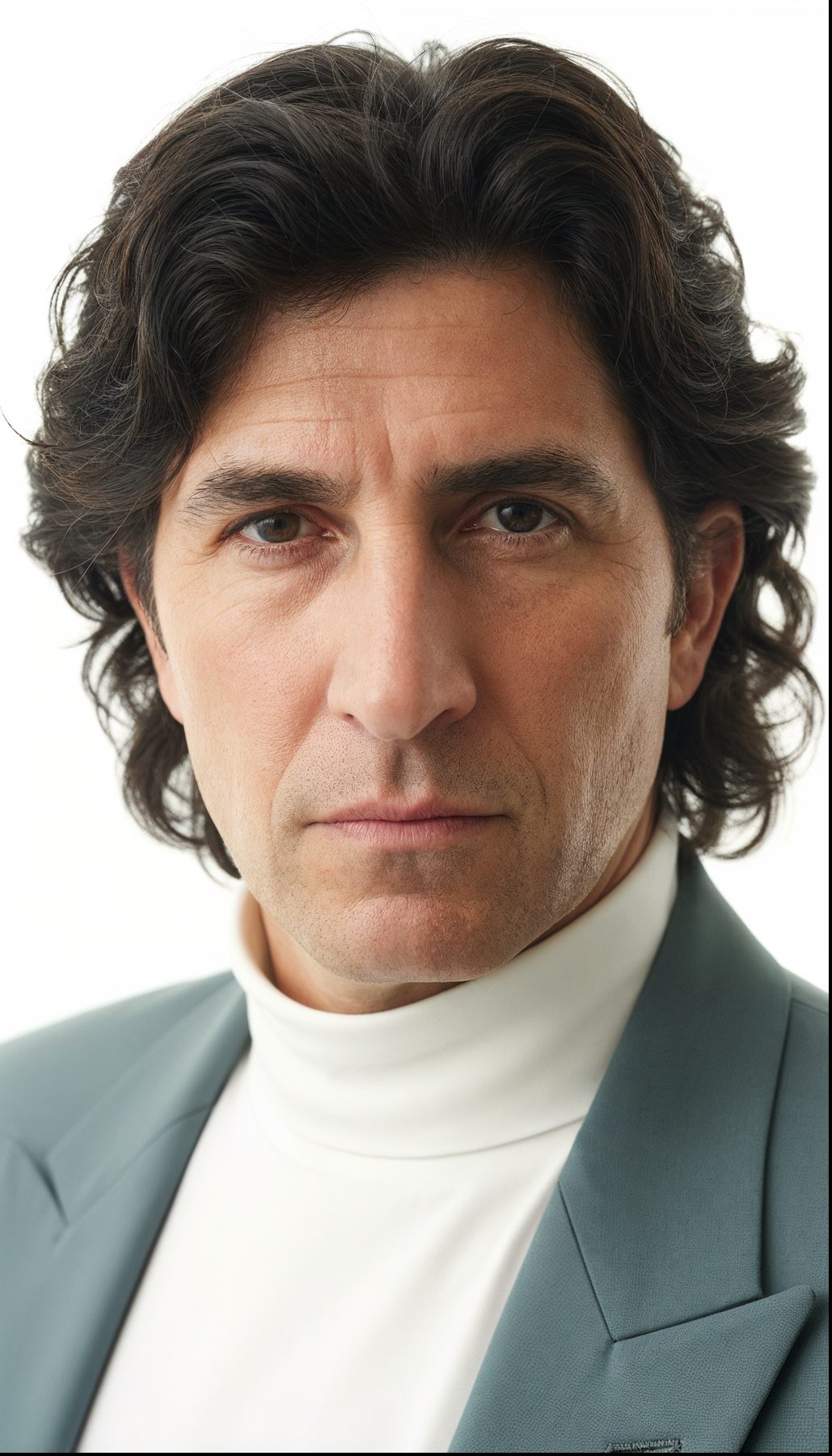
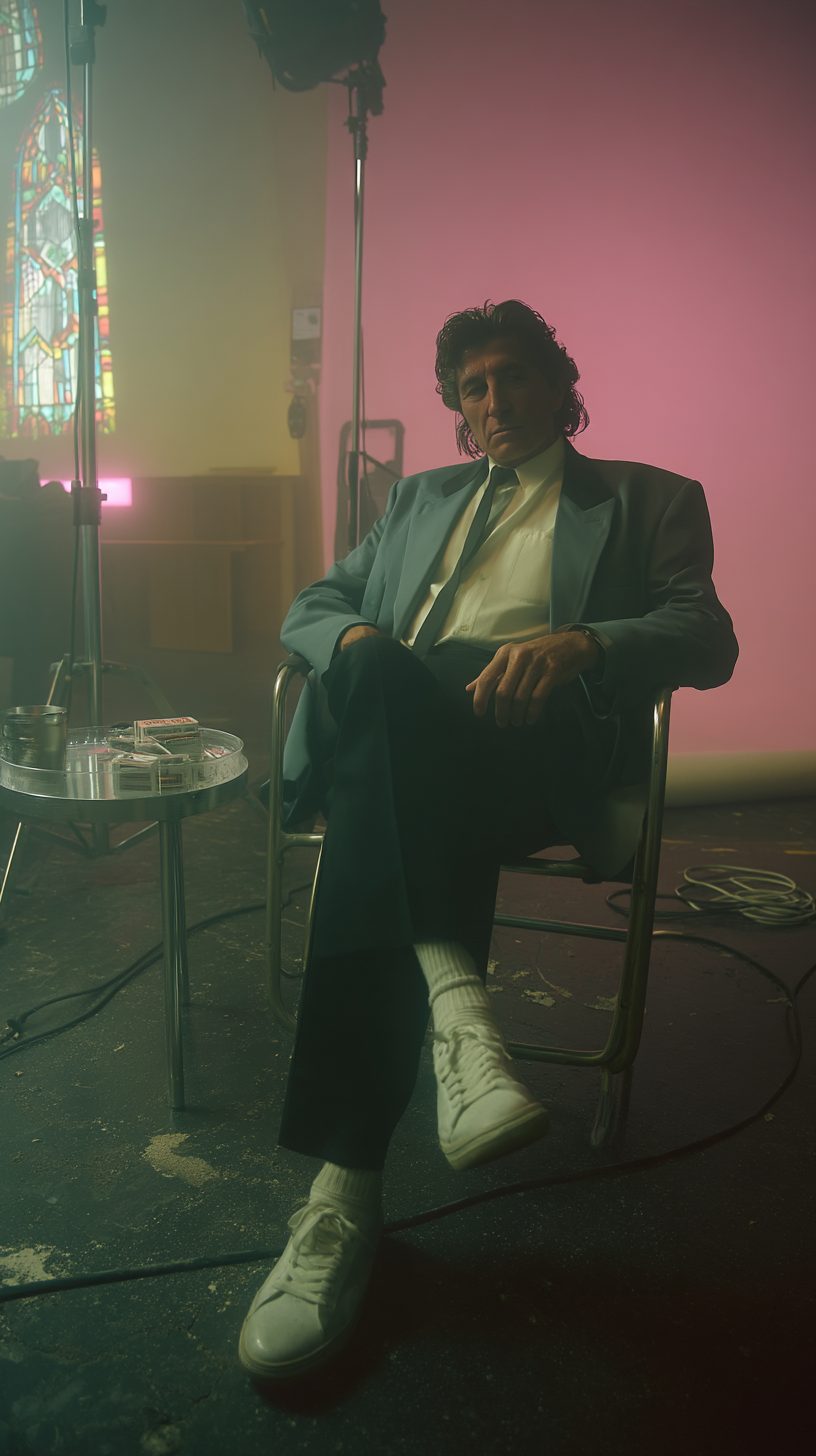
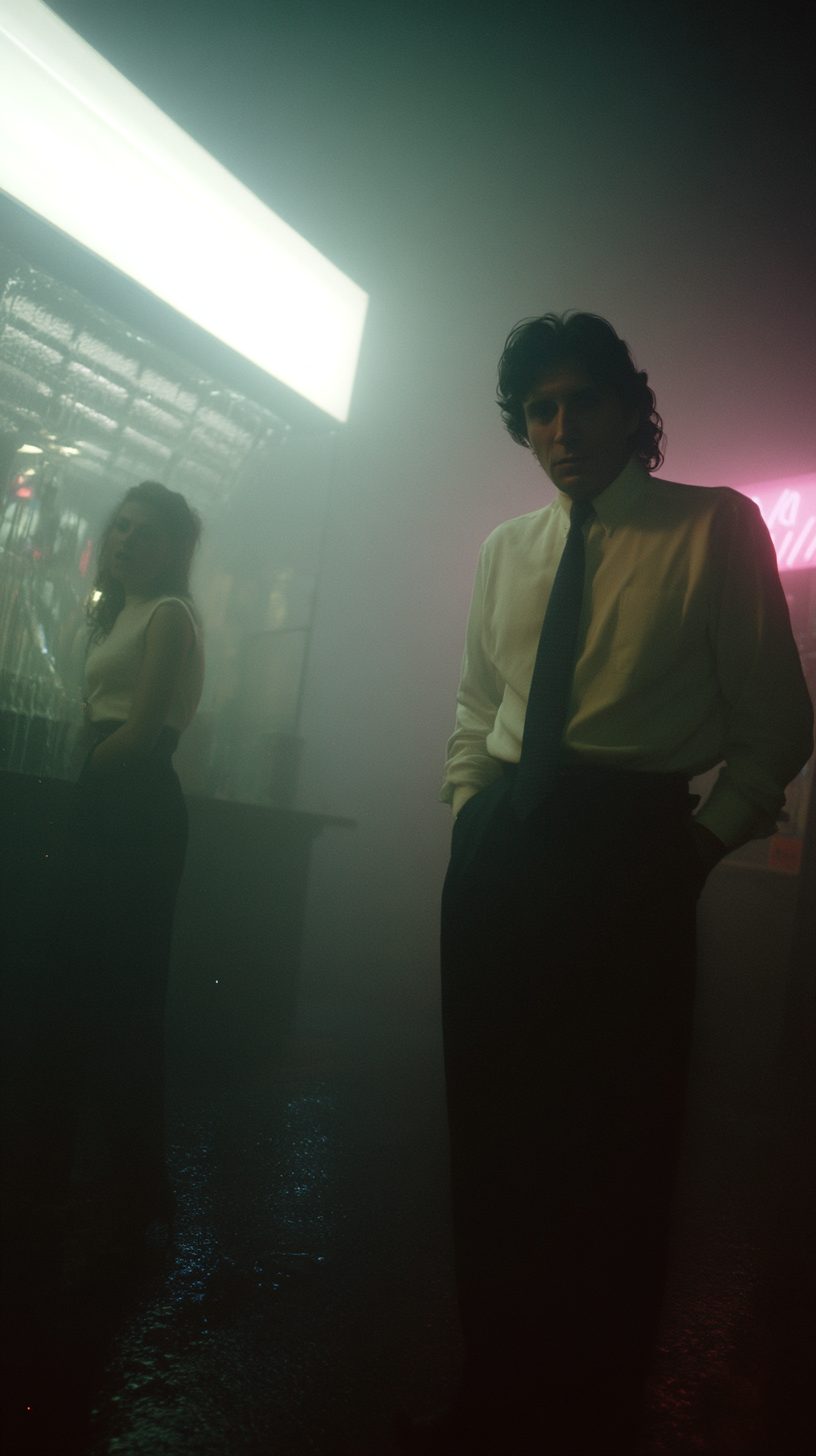
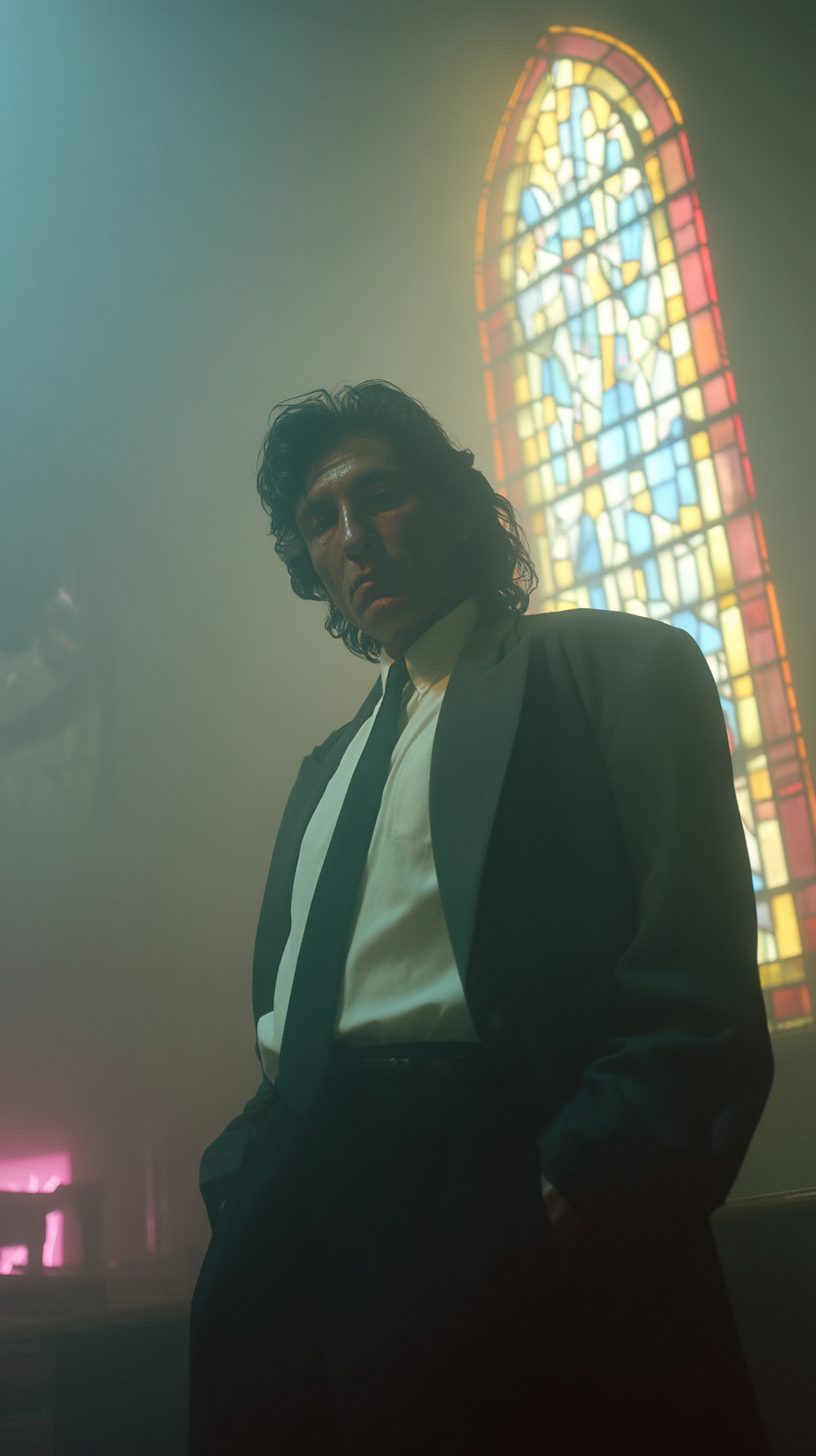
- Oversized slate-blue suit, white shirt, skinny tie, shoulder-length curls
- Performance
- Big voice, small gestures. He stays deadpan while the world goes absurd around him.
References
Sledgehammer
Peter Gabriel, 1986
The keystone. Lyrics taken literally, handmade stop-motion and claymation cut tight to the beat, and the propulsive soul groove at around 97 BPM.
Big Time
Peter Gabriel, 1987
The performer's face as the set. Pixilation and object animation built around one man who stays in character through the chaos.
Road to Nowhere
Talking Heads, 1985
In-camera surrealism and rhythmic repetition. A narrator marching forward without knowing where he's headed, which is Robin exactly.
For the vignettes, Michel Gondry's handmade tricks: tabletop sets, cellophane water, and cuts that follow the music.
The rules
Hot and cold is the spine
Ice, fire, snow and desert. Pink is her heat, teal is her chill, and the grade tells the story.
Push into things to change worlds
A mouth, the water's surface, a dust storm, an eyeball, a pill. Every transition goes through something.
Everything flows right to left
The parade, the storm, the trek. One direction gives the non-linear sections forward motion.
Handmade over photoreal
Tabletop miniatures, a plaster bust, figurines on a track. The seams are part of the charm.
Stuttered time
Pop-ins, pill rain and the melt run at 8–12 frames per second. Only the nurse moves in real time.
One texture over everything
Grain, haze and a single grade across studio and vignettes, so every style shift reads as a choice.
The video, beat by beat
Cold open
A UTV logo, its U rebuilt in match cuts from coral, barbed wire, chrome, neon and static, ending on ice and then fire.
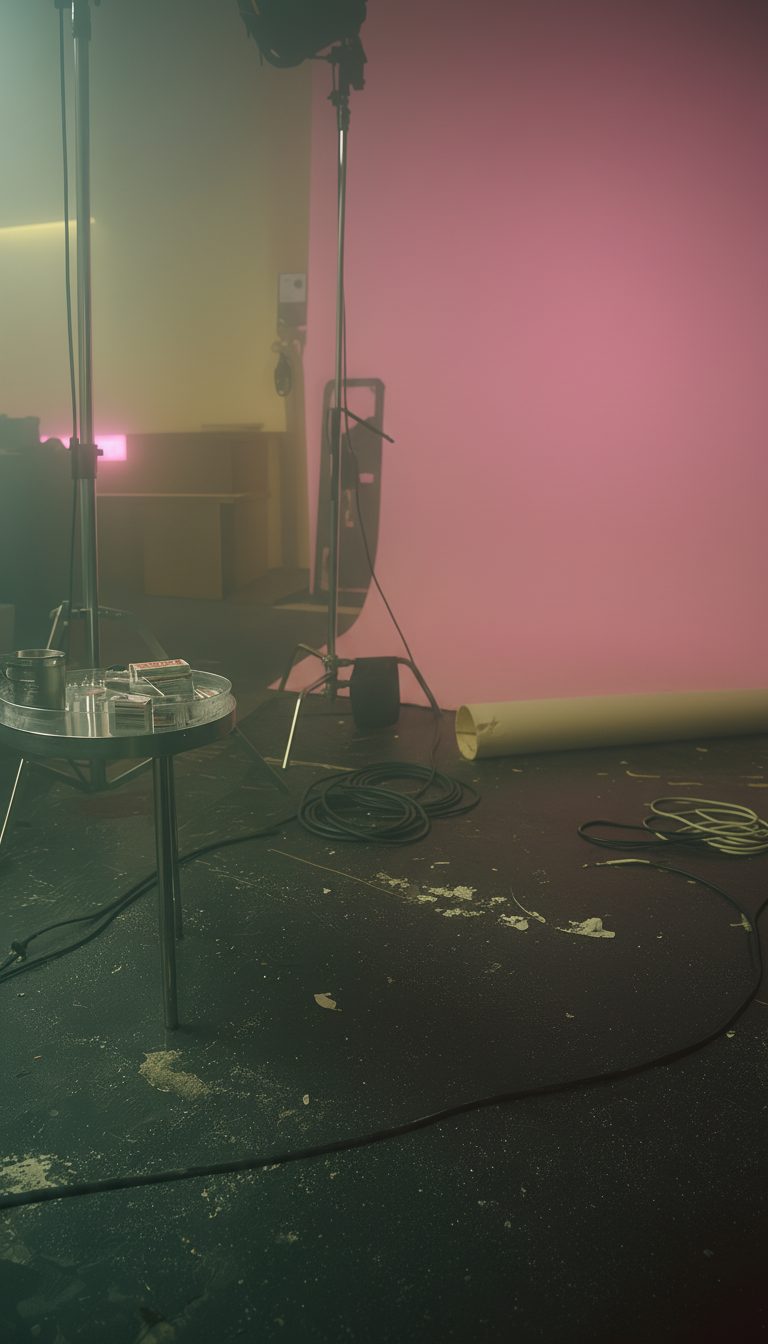
Close on Robin's dangling cigarette. From offscreen, a woman's voice: "Hey Robin, are you ready?" He flicks the cigarette. A stack of bracelets on his wrist. He walks into an empty studio, adjusts a lone mic, and the song kicks in. His keyboardist and drummer blip into frame on the downbeats. We push into his mouth as he sings.
Over the Edge
Robin rows toward us down a toy river of cellophane water, its banks piled with mixtapes, rotary phones, love letters and a snow globe beside a space heater. Keepsakes pop into existence on the beat.
From the side, we follow him into a clearing where the band is playing. He tips calmly over a waterfall. We fall with him, and the water takes us under.
The bust
Robin as a plaster bust, turning slowly on a soundstage. A silent parade of tiny figurines crosses in front of him on a music-box track, every one of them her, in a different dress.
On "hot and cold," the head stops and freezes as snow sweeps the stage. Then it melts in stuttering stop-motion while the set burns into a hellscape. A breath in the studio with the band, and a dust storm rolls in from the right.
The desert
The dust clears on an endless Sahara. A tiny Robin struggles up a dune in the far corner of frame. Up close, in explorer gear, he unfolds a map, which turns out to be her face, and confidently points the way.
Through a bowed lens, his two bandmates trudge behind him in matching fatigues, sweating and miserable. We push into one bandmate's eye.
The chapel
The iris becomes clouds, which part over a lone flat-roofed chapel on the plains. We drop toward it and through its open door. At the altar, Robin enters from one side and the bride from the other: all the promises of the future.
He brings the ring to her hand: a jeweled capsule, half fiery red and half icy blue. The instant he slides it onto her finger, we transition out of live action and into the pill’s handmade world.
The pill
As the ring slides onto her finger, the jeweled capsule becomes a giant handmade prop turning against a flat, saturated blue backdrop. We’re inside a graphical, animatic-like world, with the tactile charm of Michel Gondry’s practical effects.
Tiny pills rain down in stepped bursts. The giant capsule splits open, hot from cold, revealing the band playing on one half. Painted surfaces, miniature performers and deliberately visible seams make the impossible feel built by hand.
Outro
Back in the studio for the final chorus. The song ends. Amps get unplugged, lights clunk off one by one, and the bandmates blip out the way they came in.
In real time, for the first time, a woman walks in wearing a nurse's uniform. It's her. "Oh, it's okay, come on in." She leads Robin off the empty stage. The U returns, built from pills.
The sound
Around 97 BPM, the "Sledgehammer" pocket. Dry, tight drums hit hard on two and four against a syncopated bassline that moves more than they do. Horn or synth-brass stabs land on the cuts.
The verses leave space, the choruses lift, and Robin stays conversational on top of it all: big groove, small gestures.